Attorney to stop cell phone collection calls
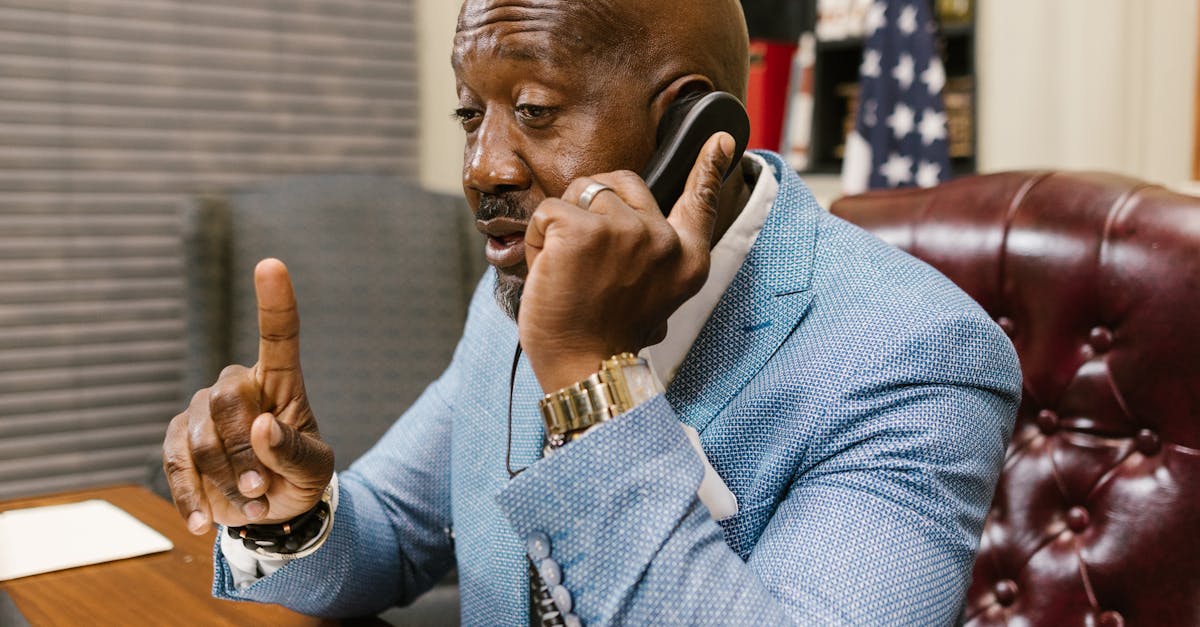
Table Of Contents
Understanding the Role of an Attorney to Cease Cell Phone Collection Calls
To put a halt to the relentless and often frustrating collection calls on your cell phone, seeking the guidance of an attorney is a wise approach. Attorneys specializing in debt collection harassment and the Telephone Consumer Protection Act (TCPA) can provide valuable assistance in combating debt collectors and enforcing your rights. These legal professionals possess extensive knowledge of the laws and regulations surrounding debt collection calls, and are well-versed in utilizing TCPA protections to put an end to the harassment. They can help you draft a cease and desist letter, which is a formal request for the debt collector to cease all communication with you. With their expertise and legal prowess, these attorneys can provide you with the peace of mind and the necessary tools to put an end to the incessant phone calls from debt collectors.
Learn more: https://robocalllawsuit.com/violations/debt-collectors/
The Legality: TCPA, FDCPA and Debt Collection Laws
Debt collection practices can often turn into harassment, with debt collectors resorting to tactics that can disrupt your life and cause unnecessary stress. Thankfully, there are laws in place to protect consumers from such abuse. The Telephone Consumer Protection Act (TCPA) and the Fair Debt Collection Practices Act (FDCPA) are two important pieces of legislation that govern debt collection practices. An attorney specializing in stopping cell phone collection calls, like Silverman Law Firm, can help you understand your rights under these laws and take legal action to put an end to call harassment.
Continue reading: https://robocalllawsuit.com/violations/debt-collectors/fdcpa/
When it comes to debt collector harassment, the team at Silverman Law Firm is well-versed in the tactics often employed by collectors. They understand the impact that constant calls can have on your personal and professional life. Debt collectors will often go to great lengths to contact you, even reaching out to your family, friends, and employers in their attempts to collect a debt. This type of communication is not only intrusive, but it can also be a violation of your rights. A skilled attorney, familiar with the TCPA and FDCPA, can help put a stop to these unwanted calls and protect your privacy.
How Debt Collection Harassment Attorneys Work
How Debt Collection Harassment Attorneys Work
Debt collection harassment attorneys play a crucial role in protecting the rights of individuals against aggressive debt collectors. These attorneys have in-depth knowledge of the TCPA, FDCPA, and other relevant debt collection laws. They understand the legal framework and use it to stop unwanted collection calls. When someone seeks the help of an attorney to stop cell phone collection calls, the attorney will first gather all the necessary information, such as the company name, phone number, caller ID, and the collector's name. They may also advise their clients on how to record and track these calls for evidence. Additionally, attorneys can provide sample letters that clients can use to communicate with debt collectors, ensuring they assert their rights effectively. By working closely with their clients, debt collection harassment attorneys empower individuals to take legal actions against debt collectors who engage in unlawful communication practices.
Debt collection harassment attorneys understand that every case is different, so they tailor their strategies to the specific needs of their clients. They are well-versed in the communication rules and rights provided by the TCPA and FDCPA. Attorneys can guide their clients on recognizing harassment in collection calls and messages, as well as understanding their rights against robocalls and robodialers. They also educate their clients on the validation notice requirements, which outline a debtor's right to dispute the debt or request verification. Attorneys can help their clients draft written dispute letters and provide options for sending them, whether via mail or email. Attorneys may recommend sending dispute letters via certified mail with a return receipt for proof of delivery. These legal professionals will also explain the importance of keeping records and copies of all communication with debt collectors. By providing guidance and legal support, debt collection harassment attorneys empower individuals to assert their rights and navigate the complex web of debt collection laws.
The Power of Law Against Debt Collector Harassment
Debt collector harassment can cause significant distress and frustration for individuals who are already facing financial difficulties. However, the power of the law can be a valuable tool in combating these abusive practices. With the help of an attorney who specializes in stopping cell phone collection calls, individuals can navigate the complexities of the Fair Debt Collection Practices Act (FDCPA) and other debt collection laws. These attorneys understand the legal avenues available to consumers who have been subjected to harassment, including filing complaints, sending cease and desist letters, and pursuing legal action against debt collectors and collection agencies. In addition to seeking monetary damages for any harm caused, attorneys can also help individuals keep a record of all communication, including times, dates, and notes of conversations, which can be useful evidence in court. By working with an attorney, individuals can assert their rights and put an end to the troubling tactics employed by debt collectors, allowing them to regain control of their financial situation.
Turning Creditors and Collection Agencies' Tactics into Client Protection
Turning creditors and collection agencies' tactics into client protection requires the expertise of an attorney to stop cell phone collection calls. When faced with employment-related debt, it is crucial to understand the regulations surrounding creditor contacts. Keeping a detailed call log sheet can be a useful means to document every call received and made, ensuring that any violations can be brought to the attention of the appropriate parties. By notifying debt collectors in writing that calls are not allowed at the workplace, a legal action can be pursued under the FDCPA. Contrary to popular belief, debt collection agencies cannot call a debtor's place of employment if they have knowledge of the employer's disapproval. In such circumstances, seeking representation from an attorney to stop cell phone collection calls can be a crucial step in protecting one's rights.
In the absence of a conversation, a written description of the office's location can serve as a valid way to communicate an employer's disapproval of collection calls. This can be a necessary remedy in cases where a debtor wishes to cease communication with a collector. In addition to stopping collection calls, an attorney specializing in debt collection practices can also assist in addressing issues related to text messages and calls made to a debtor's cell phone. Under Section 1692c of the FDCPA, debt collectors are prohibited from contacting consumers on their cell phones without express consent. By maintaining a detailed collection communication log sheet and providing it as a reference to the attorney, the debtor can ensure that any violations are properly addressed.
Exploring Cases of Debt Collection Agency Harassment
Debt collection agency harassment is an increasingly prevalent issue that many consumers face. In these cases, debt collectors use aggressive tactics to collect debts, often crossing legal boundaries and causing distress to individuals. The role of an attorney to stop cell phone collection calls becomes crucial in these situations. Attorneys who specialize in this area of the law can provide valuable guidance and assistance to those who are being harassed. They can help consumers understand their rights under the TCPA and FDCPA, as well as state laws that protect against debt collection abuse. By working with an attorney, individuals can take proactive steps to stop harassing phone calls and protect their rights as consumers.
One of the most common types of harassment by debt collectors is the use of robocalls and robodialers. Debt collection agencies often use automated systems to place a high volume of calls to consumers, hoping to intimidate or pressure them into paying their debts. However, these tactics are often in violation of the TCPA, which requires that companies have prior express consent before making calls to a cell phone using an automated telephone dialing system. A TCPA lawyer can help individuals who have received these types of unsolicited calls take legal action against the debt collectors. Through a claim under the TCPA, individuals may be entitled to monetary damages of up to $1,500 per violation, providing a strong incentive for debt collectors to stop their abusive practices. In addition to the TCPA, there may be other state laws that offer further protections against robocalls and other forms of harassment, making it important to consult with a knowledgeable consumer attorney to fully understand one's rights and options.
Exploring Relevant Communication Rules and Rights
Relevant communication rules and rights play a crucial role in addressing the issue of unwanted debt collection calls. Understanding these rules can help individuals protect themselves against harassment and stop collection calls with the assistance of an attorney. The Telephone Consumer Protection Act (TCPA) and the Fair Debt Collection Practices Act (FDCPA) establish guidelines for debt collectors and telemarketers, prohibiting certain practices like robocalls and calls to cell phones without permission. Many people may not be aware of their rights or the steps they can take to stop collection calls. By consulting with an attorney, consumers can explore their options and determine the best course of action to put an end to the constant harassment and reclaim control over their phone lines.
Recognizing Harassment in Collection Calls and Messages
Recognizing Harassment in Collection Calls and Messages can be crucial for anyone dealing with debt-related issues. If you find yourself receiving multiple calls and messages from collection agencies regarding different types of debt, such as apartment rent, student loans, or bank debt, it is essential to pay attention to the frequency and nature of these communications. For example, if you receive calls from a collection company like ABC Collections asking for Jim Smith, and you are not the owner of the cell phone number associated with Jim Smith, it could be a sign of harassment. This article aims to shed light on the various tactics used by debt collection agencies and the actions you can take with the help of an attorney to stop these unwanted calls and messages.
Cell phone owners often face the problem of receiving constant calls from collection agencies, even for debts they do not owe. Steve, a consumer who experienced this issue, shared his story with our team. He received frequent phone calls from a debt collection agency claiming he owed money on his credit cards. However, Steve had no credit cards or any outstanding debts. He had never even consented to provide his telephone number to this collection company. This situation is a clear example of harassment, as the debt collector persisted in contacting Steve without any valid reason. Recognizing harassment in collection calls and messages is the first step towards taking legal action and seeking the help of an experienced consumer attorney or TCPA lawyer.
Understanding Rights Against Robocalls and Robodialers
To understand your rights against robocalls and robodialers, it is important to consult with an attorney who specializes in stopping cell phone collection calls. They are well-versed in the laws that govern debt collection practices, such as the FDCPA (Fair Debt Collection Practices Act) and can guide you through the collection process. Your attorney can advise you on the best course of action to take, whether it be sending a cease and desist letter, filing a lawsuit, or negotiating a settlement. They will review your financial records, communications with debt collection companies, and any voicemails or messages left by debt collectors to assess the circumstances and determine the best course of action on your behalf.
If you find yourself being harassed by debt collectors, it is crucial to know your rights and take action to stop the calls. Under the FDCPA, debt collectors are prohibited from engaging in abusive, harassing, or deceptive practices. This includes calling you repeatedly, calling outside of certain hours, using threatening or offensive language, or misrepresenting themselves. If a debt collector violates these laws, you may be entitled to compensation. An attorney who specializes in debt collector harassment can help you navigate the legal process, file a complaint with the appropriate agencies, and seek compensation for any damages you have suffered due to the harassment. They will work diligently to protect your rights and ensure that debt collectors are held accountable for their actions.
Unleashing the Power of TCPA and FDCPA
The power of the Telephone Consumer Protection Act (TCPA) and Fair Debt Collection Practices Act (FDCPA) cannot be overstated when it comes to stopping collection calls. With the help of an attorney who specializes in stopping cell phone collection calls, consumers can finally gain some relief from the constant harassment. These laws outline the rules and regulations that debt collectors must abide by when contacting individuals regarding debt repayment. Attorneys who specialize in debt collection harassment can work with clients to understand their rights and how to take legal action against collection agencies that engage in harassing behavior. By working with an attorney, individuals can put an end to the incessant calls and protect their consumer rights.
 Photo by RDNE Stock project on Pexels
Effectiveness of a TCPA Lawyer in Stopping Collection Calls
Effectiveness of a TCPA Lawyer in Stopping Collection Calls
When it comes to stopping collection calls, hiring an attorney who specializes in the TCPA (Telephone Consumer Protection Act) can be incredibly effective. These lawyers have an in-depth understanding of the laws surrounding debt collection practices, including the FDCPA (Fair Debt Collection Practices Act). They can guide individuals through the legal process and provide expert representation to stop collection calls from agencies. With their knowledge of the TCPA and FDCPA, these attorneys can help clients seek remedies and settlements for unlawful collection practices, including the removal of collection accounts. By working with a TCPA lawyer, individuals gain the legal recourse they need to put an end to relentless collection calls.
One of the key aspects of the effectiveness of a TCPA lawyer in stopping collection calls is their ability to navigate the complex legal landscape. They are well-versed in the laws and regulations established by the Federal Trade Commission (FTC) and Consumer Financial Protection Bureau (CFPB). With their guidance, individuals can understand their rights against robocalls, robodialers, and harassing collection practices. These attorneys can provide advice on writing a cease and desist letter, which is a powerful tool to stop unwanted debt collection calls. Additionally, they can review cases and represent clients in proceedings, whether it's in bankruptcy court or against credit card issuers. Their expertise and service act as a strong deterrent to debt collectors, empowering individuals to regain control over their financial situations.
Role of the Federal Trade Commission (FTC) and Consumer Protection Bureau
The Role of the Federal Trade Commission (FTC) and Consumer Protection Bureau is crucial in protecting consumer rights and enforcing laws against debt collection harassment. These government agencies work alongside attorneys to stop cell phone collection calls and ensure a fair and transparent debt collection process. With extensive experience in consumer protection and debt collection laws, they serve as valuable resources for individuals who are facing harassment from debt collection agencies. By addressing complaints, investigating violations, and taking appropriate legal action, the FTC and Consumer Protection Bureau help to alleviate the burden of debt collection harassment on consumers and safeguard their privacy and rights.
The FTC and Consumer Protection Bureau also play a pivotal role in educating consumers about their rights and providing guidance on how to deal with debt collectors. They have established guidelines and regulations that set boundaries for debt collection practices, ensuring that consumers are treated with fairness and respect. Through their initiatives, they aim to empower individuals to take control of their situation and make informed decisions when it comes to dealing with debt collectors. By working alongside attorneys, these agencies ensure that the debt collection industry operates within the bounds of the law and protects consumers from abusive and illegal practices.
Practical Steps to Stop Unwanted Debt Collection Calls
To put an end to unwanted debt collection calls, there are practical steps you can take. First, consider seeking the guidance of an attorney who specializes in stopping cell phone collection calls. They will be well-versed in the TCPA (Telephone Consumer Protection Act), FDCPA (Fair Debt Collection Practices Act), and other relevant consumer laws that protect your rights. In situations where a violation of these laws has occurred, your attorney can help you draft a cease and desist letter to the collection agency, which requests them to stop contacting you by phone. It's important to document each time the collection agency calls you, noting the date, time, and any information they provide. For example, if they are calling outside of permissible calling hours or using aggressive collection tactics, this could be evidence of a violation. Additionally, be aware that debt collection calls should be directed to the debtor, not a non-debtor spouse or party. If the calls persist, your attorney can guide you through the process of filing a lawsuit, seeking damages, and potentially recovering attorney fees and litigation costs. Remember, you have the right to stop collection calls, and an attorney can help you navigate the legal avenues to make that happen.
Writing a Cease and Desist Letter: A Possible Solution
When dealing with unwanted debt collection calls on your cell phone, writing a cease and desist letter can be a possible solution to put an end to the harassment. By involving an attorney to stop cell phone collection calls, you can ensure that your rights are protected and seek compensation for any harm caused. This letter can be addressed to the debt collector, creditor, or any entity responsible for the calls and clearly state your request to cease all phone calls, voicemails, text messages, and faxes. The letter should also mention the specific violations of the TCPA and FDCPA, such as the use of autodialer or robodialer systems without proper consent. It is important to consult with a debt collection harassment attorney to draft an effective cease and desist letter that complies with all the necessary rules and regulations.
Case Review: How Consumer Law Attorneys Work to Serve Clients' Interests
Consumer law attorneys play a crucial role in protecting clients' interests when it comes to debt collection activities. These attorneys specialize in understanding the complexities of consumer debt laws and work tirelessly to stop unwanted collection calls and harassment by debt collectors. If you are facing constant phone calls from debt collectors, a consumer law attorney can guide you through the legal process and help you put an end to the harassment. They will review your case in detail, explain the relevant laws, and provide you with the necessary information to take appropriate legal action. By seeking the assistance of a knowledgeable attorney, you can gain the upper hand in dealing with the debt collectors and ensure that your rights are protected.
Consumer law attorneys employ a variety of strategies to serve their clients' interests in cases of debt collection harassment. They start by assessing the details of the case, including the nature of the debt, the collection agency involved, and the specific collection practices employed. Based on this information, they develop a plan to stop the collection calls and protect their clients from further harassment. This plan may involve negotiating with the collection agency, filing a lawsuit against the debt collectors for violating consumer protection laws, or exploring other legal options. In some cases, the attorney may also advise clients on steps they can take to prevent future collection activities, such as sending a cease and desist letter or disputing the debt. With the expert guidance of a consumer law attorney, clients gain the opportunity to take control of their financial situation and put an end to the stress and difficulties caused by relentless debt collection efforts.
Evaluating Your Situation: SelfAssessment and Help
If you find yourself being bombarded with constant calls from debt collectors, it is important to take a step back and evaluate your situation. Conducting a self-assessment can help you determine the severity of the problem and the best course of action to take. Seek the advice of an attorney who specializes in stopping cell phone collection calls. They can guide you through the process of verifying the debt, understanding your rights under debt collection laws such as the TCPA and FDCPA, and representing you on your behalf. Understanding the procedures and remedies available to you can empower you to take control of the situation and put an end to the relentless creditor calls.
 Photo by Masood Aslami on Pexels
Conclusion
The role of an attorney to stop cell phone collection calls cannot be overstated. They possess the knowledge and expertise to navigate the complex landscape of TCPA, FDCPA, and debt collection laws. Understanding these legal frameworks is essential in protecting individuals from debt collection harassment. Debt collection harassment attorneys work diligently to turn the tables on creditors and collection agencies, using the law as a tool to cease communications. They are well-versed in recognizing harassment in collection calls and messages, as well as understanding rights against robocalls and robodialers. With their support, individuals can take practical steps such as writing a cease and desist letter, disputing any collection-related problems, and documenting all communication through a telephone log. Attorneys work on a contingent fee basis, offering their expertise and representation without any upfront costs. In conclusion, an attorney specializing in debt collection matters is a valuable resource in order to stop unwanted debt collection calls and protect consumer rights.
FAQS
What is the role of an attorney in stopping cell phone collection calls?
An attorney can help you understand your rights and options when it comes to stopping unwanted collection calls on your cell phone. They can guide you through the legal process and take action on your behalf to put an end to the harassment.
What laws protect consumers from cell phone collection calls?
The TCPA (Telephone Consumer Protection Act) and the FDCPA (Fair Debt Collection Practices Act) are two key laws that protect consumers from unwanted collection calls. These laws set guidelines for how debt collectors can contact debtors and provide remedies for violations.
How do debt collection harassment attorneys work?
Debt collection harassment attorneys specialize in consumer protection laws and have expertise in dealing with debt collectors. They can review your case, assess the extent of the harassment, and take appropriate legal action to stop the collection calls.
How can the law be used against debt collector harassment?
Attorneys can leverage the TCPA and FDCPA to hold debt collectors accountable for their actions. They can file lawsuits, seek damages, and obtain court orders to stop the collection calls. The law provides a powerful tool to protect consumers from harassment.
How can creditors and collection agencies' tactics be turned into client protection?
Attorneys can analyze the tactics used by creditors and collection agencies to harass consumers and turn them into legal grounds for protection. By documenting and challenging these tactics, attorneys can build a strong case to stop the collection calls.
What are some examples of debt collection agency harassment cases?
Examples of debt collection agency harassment can include excessive and repeated calls, threats, abusive language, calling outside of permitted hours, and disclosing debt information to third parties. Attorneys can help evaluate if your case falls under harassment.
What communication rules and rights are relevant in dealing with collection calls?
Consumers have the right to request that debt collectors stop calling them, and collectors must abide by this request. Additionally, the TCPA sets rules regarding automated calls, robocalls, and the use of autodialers. Familiarizing yourself with these rules can help protect your rights.
How can I recognize harassment in collection calls and messages?
Harassment can manifest in various ways, including frequent calls, aggressive language, threats, intimidation, and calls made outside of permitted hours. If you experience any of these behaviors, it may be considered harassment and you should consult an attorney.
What rights do consumers have against robocalls and robodialers?
The TCPA prohibits the use of robocalls and robodialers without the consumer's consent. Consumers have the right to opt-out of receiving these automated calls. If debt collectors continue to use these methods without permission, legal action can be taken.
How effective is a TCPA lawyer in stopping collection calls?
A TCPA lawyer can be highly effective in stopping collection calls. They have the knowledge and experience to navigate the legal system, file lawsuits, and seek remedies for violations. With their expertise, they can significantly reduce or eliminate unwanted collection calls.
What is the role of the Federal Trade Commission (FTC) and Consumer Protection Bureau in stopping collection calls?
The FTC and Consumer Protection Bureau play a vital role in enforcing consumer protection laws, including the TCPA and FDCP
What are some practical steps to stop unwanted debt collection calls?
Practical steps include keeping records of all communication with debt collectors, requesting written correspondence only, documenting any harassment or violations, and seeking legal advice from an attorney specializing in debt collection harassment.
Can writing a cease and desist letter help stop collection calls?
Yes, a cease and desist letter can be an effective solution to stop collection calls. It notifies the debt collector that their communication is unwanted and, if they continue to contact you, they may be in violation of the law. Consult an attorney to ensure the letter is properly drafted.
How does a consumer law attorney work to serve clients' interests?
Consumer law attorneys work diligently to protect clients from unfair and abusive debt collection practices. They review cases, advise clients on their rights, file lawsuits if necessary, negotiate with debt collectors, and seek compensation for their clients.
How can I evaluate my situation and get help in stopping collection calls?
You can evaluate your situation by assessing the frequency and nature of the calls, documenting any harassment or violations, and reviewing your rights under the TCPA and FDCP
What is the conclusion regarding the role of an attorney in stopping cell phone collection calls?
In conclusion, an attorney can be instrumental in stopping cell phone collection calls by utilizing consumer protection laws, such as the TCPA and FDCP
Related Links
How do I block creditors from calling my cell phone?How do I stop unwanted phone calls from debt collectors?
How do I dispute a cell phone collection?
How many phone calls is considered harassment from a debt collector?